
MANAGEMENT SOFTWARE
Trade documents: stop typing hundreds of packing list lines by hand
AI reads multilingual invoices, packing lists and bills of lading in seconds, suggests HS codes and pre-fills declarations, so staff only review.
Bizfix Lab · 21 November 2026 · 5 min read
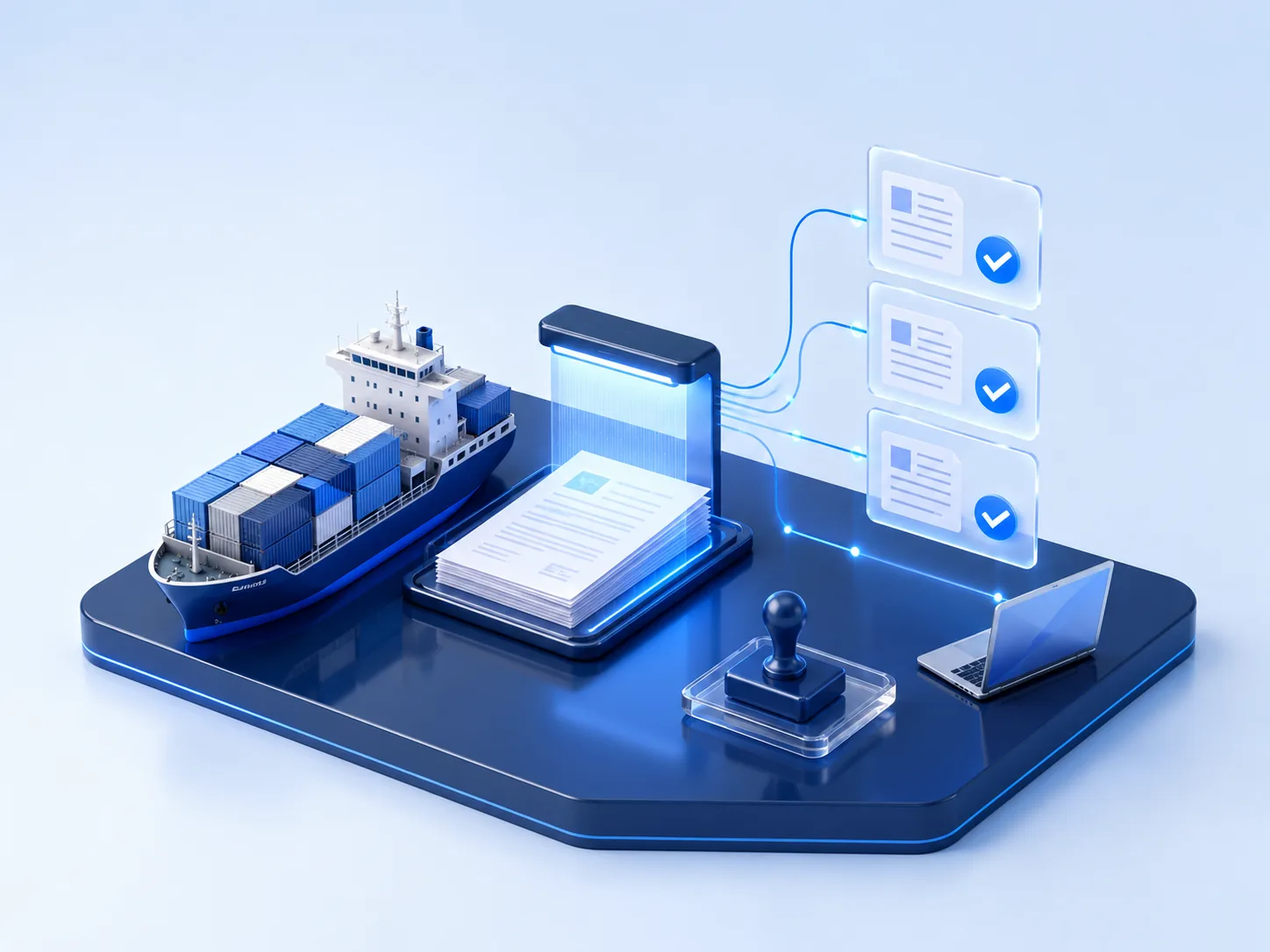
The import-export team is doing a scanner’s job
- Hundreds of lines typed by hand: invoices, packing lists and bills of lading in several languages re-entered line by line.
- Wrong units, wrong HS codes: manual conversion and code lookups lead to amended declarations.
- Risk of delays: customs clearance waits on document preparation.
AI reads multilingual documents
Commercial invoices, packing lists and bills of lading in English, Chinese, Korean and Japanese are turned into data in about 3 seconds. The system recognises booking confirmation and bill of lading templates from many major carriers and is updated when carriers change them.
Automatic conversion and matching
- Converts units, matches partners and suggests HS codes.
- Calculates origin criteria by deducting materials, with transparent figures.
- Fetches e-invoices automatically from the tax portal or invoice providers.
One tap to the authorities
Export declarations are pushed straight into the customs declaration software, and electronic certificates of origin are prepared on the Ministry of Industry and Trade system. Staff review and confirm instead of starting from scratch.
- To read one document
- 3 sec
- To read one document
- Manual typing time
- −95%
- Manual typing time
Reference figures from product documentation. Actual results depend on document types and each business’s process.
Linking the warehouse to the port
When goods are scanned at the warehouse dispatch gate, the data flows straight into the document set: declarations and certificates of origin are pre-filled from the actual dispatch figures, reducing mismatches between warehouse, accounting and customs.