


DIGITAL TRANSFORMATION
Structured digital transformation: five steps from assessment to handover
Why many digital transformation projects stop at buying software, and how a five-step model keeps a business on track from day one.
Bizfix Lab · 21 November 2026 · 6 min read

Digital transformation does not start with software
Many businesses start by buying software, then find that data is still scattered, each department uses its own tool and reports are still compiled by hand. The cause usually lies in four bottlenecks:
- No end-to-end digital transformation strategy.
- Inefficient, risky technical infrastructure.
- Low productivity and dependence on manual labour.
- Manual, disconnected operations.
Three elements that must move together
- Process: standardise and optimise business processes before digitising them.
- Technology: select and integrate technology that fits your goals, not the latest trend.
- People: build capability and a digital culture so the system is actually used.
Five strategic steps
Step 1. Digital capability scan: a full assessment of current technology, processes, people and data.
Step 2. Strategy and roadmap: a digital strategy and a rollout roadmap suited to each growth stage.
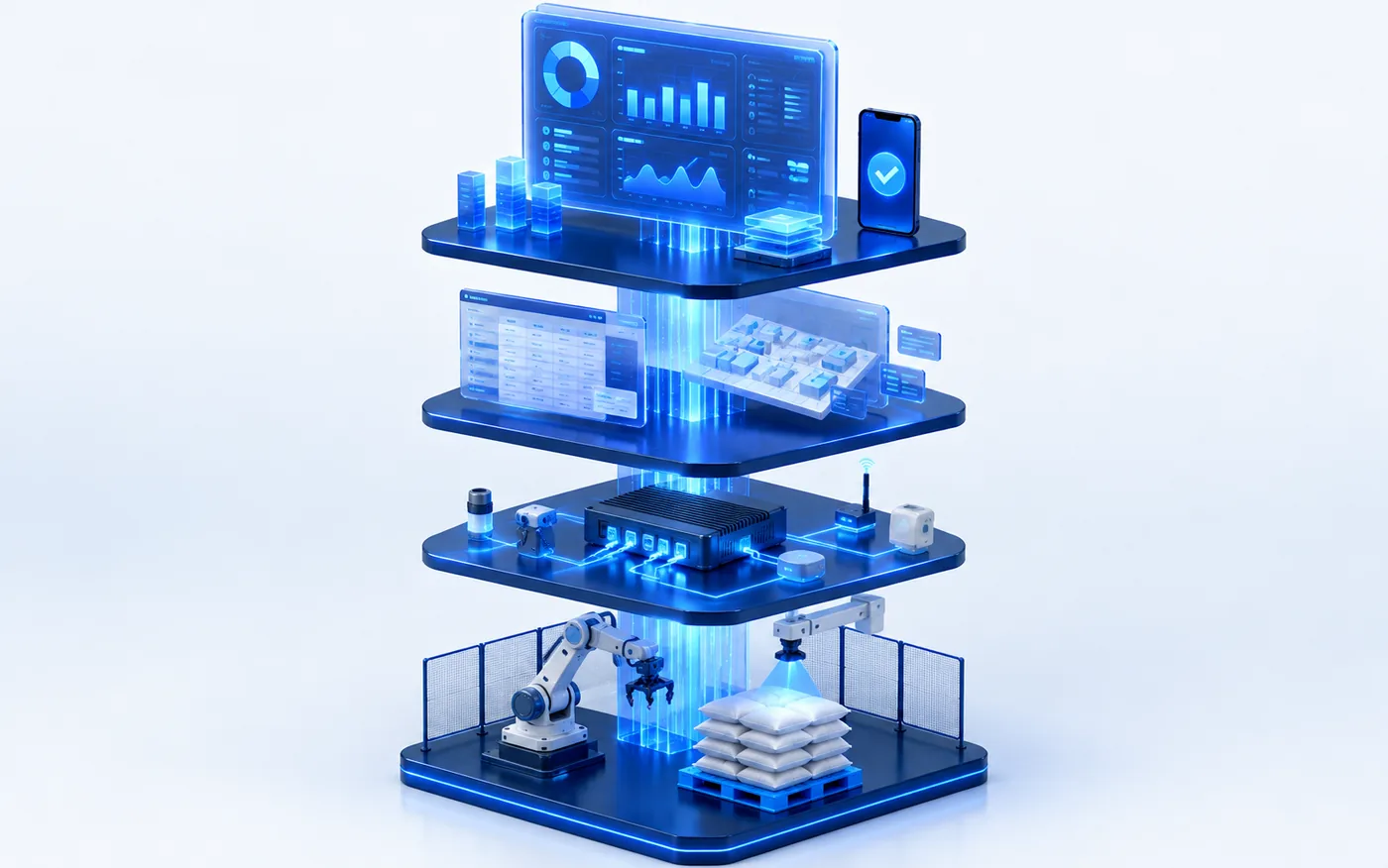
Step 3. Standards and system architecture: standardised business processes and an integrated software ecosystem architecture.
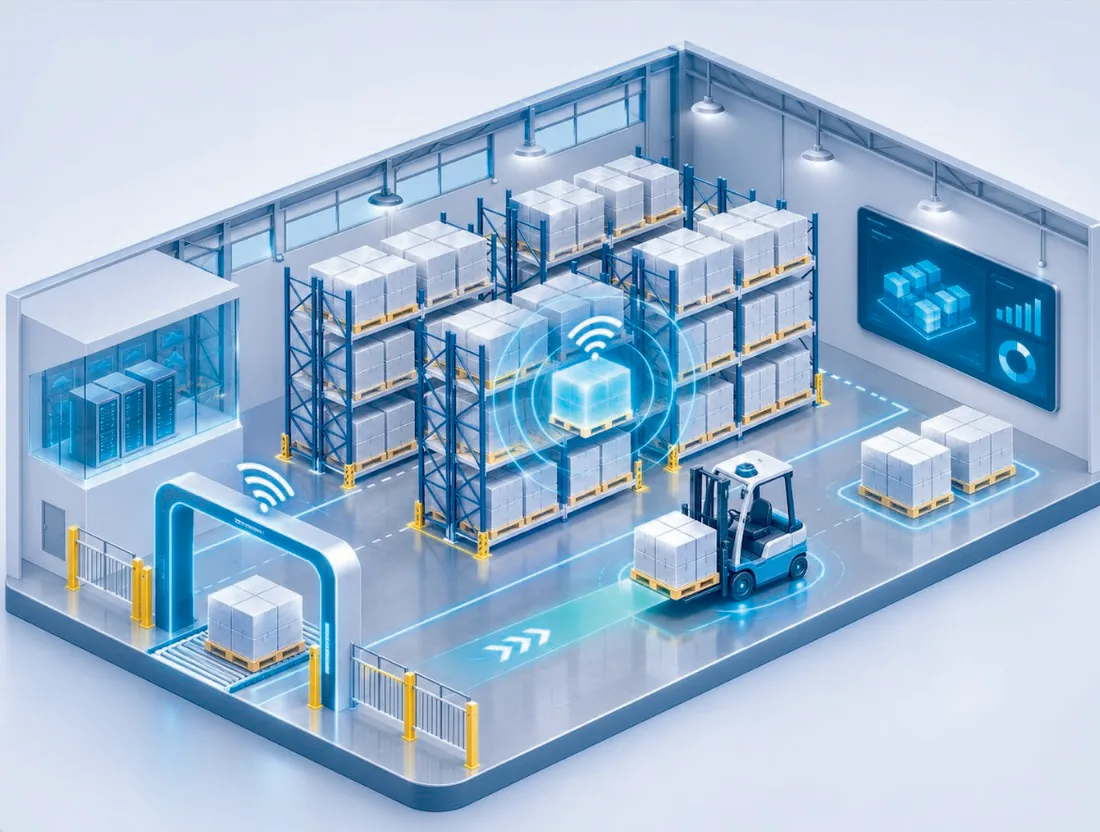
Step 4. Module-by-module rollout: ERP, CRM, WMS and MES with AI to automate work, free up people and speed up queries.
Step 5. Training and capability transfer: digital mindset, data culture, running digital systems and building in-house capability.
Start small, grow on one platform
You do not need to do everything at once. Start with one module, such as warehouse or accounting, run it well, then expand. What matters is that every module shares one source of data, so the next step never means starting over.